
Preparing for the Trip North
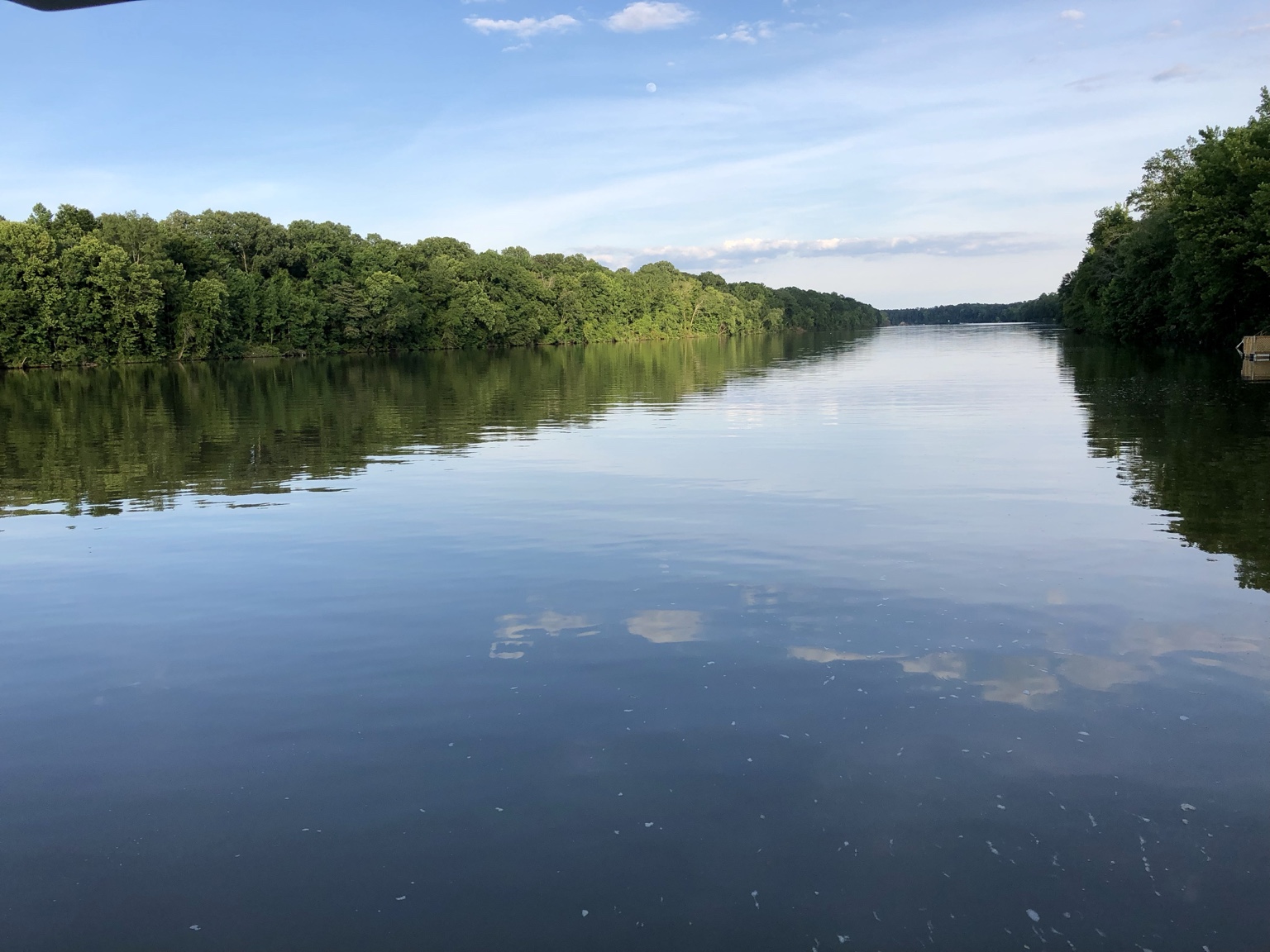
Hunky Dory had been at Turner Marine in Mobile, and it was time to begin moving her north. The first portion of that trip would take us from Mobile to Demopolis along the lower Mobile and Tombigbee river system.
A friend of mine, Jerry, joined me on the boat to help with this part of the trip. Before leaving, I stocked the boat with food and supplies and checked the oil in the transmissions and generators. I left my car parked at the marina so I could retrieve it after reaching Demopolis.
Fueling at Dog River and Leaving Mobile
We started the engines at approximately 6:50 am and headed to the fuel dock at Dog River Marina. At around 7:30, we added 125 gallons of diesel to each tank, which, when added to the existing fuel, brought our total fuel level up to around 600 gallons—certainly enough to make the trip with ample reserves.
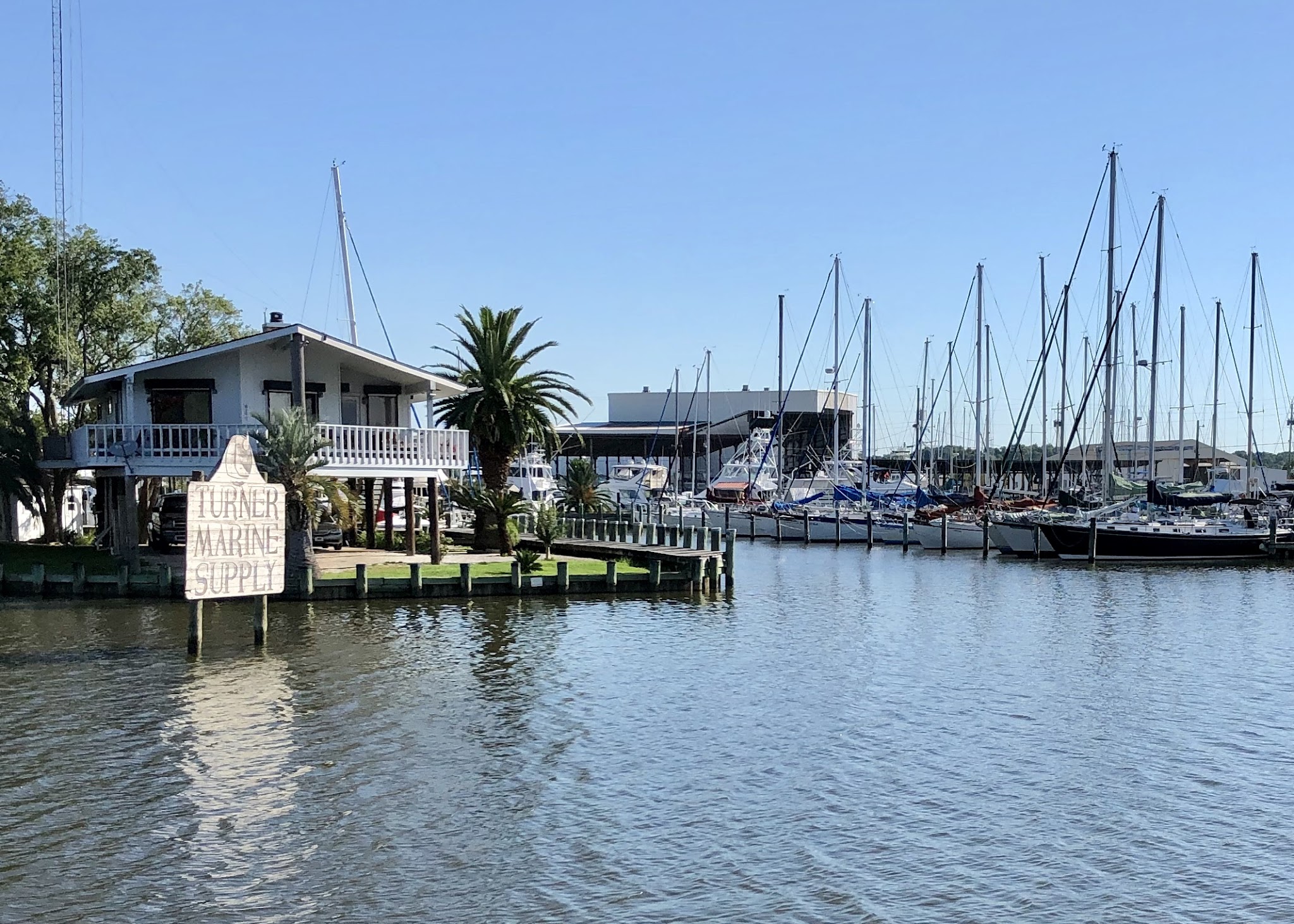
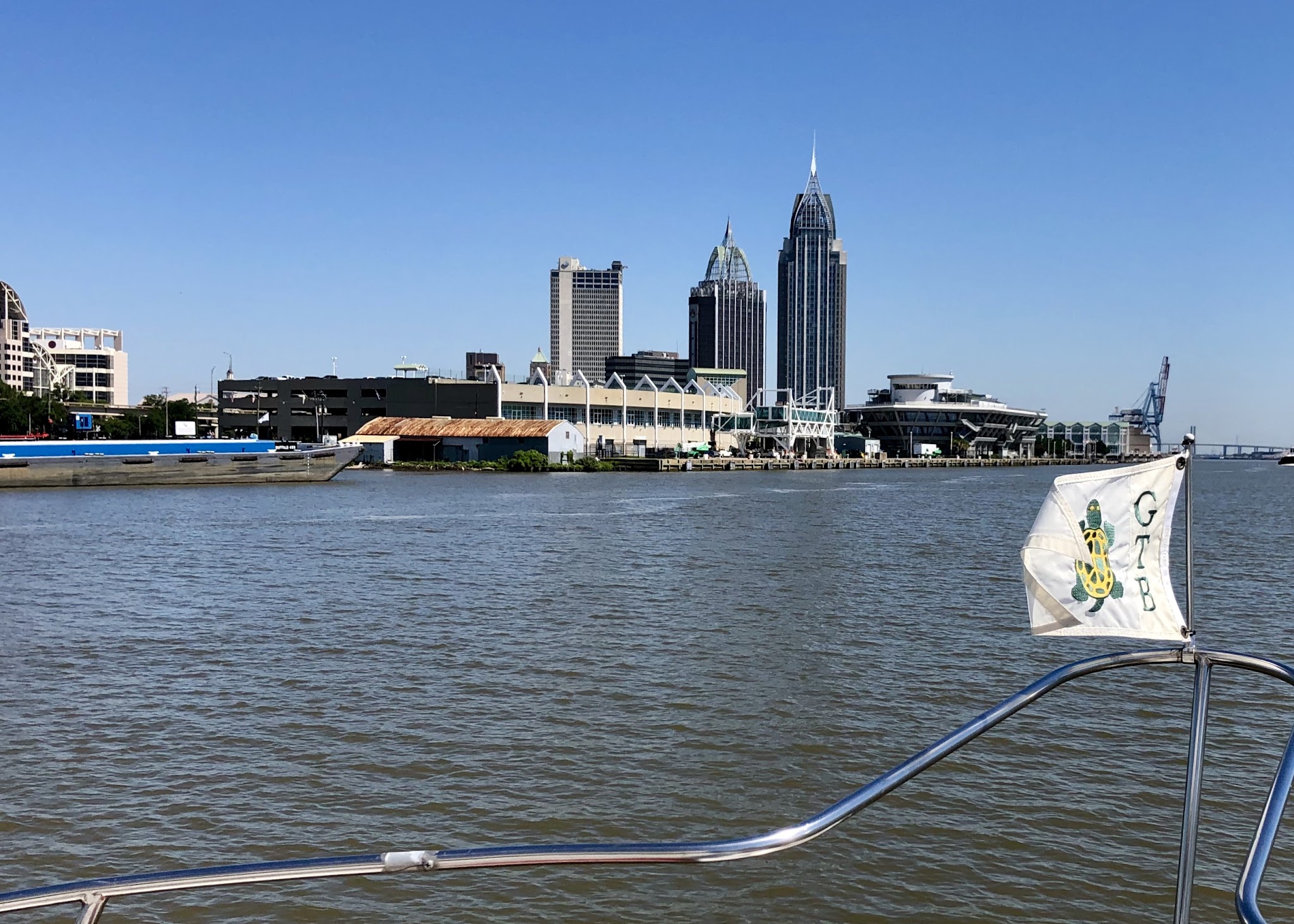
After fueling, we departed Dog River at approximately 8:30 am. The morning took us through the relatively open water of Mobile Bay into the busier industrial waterfront.
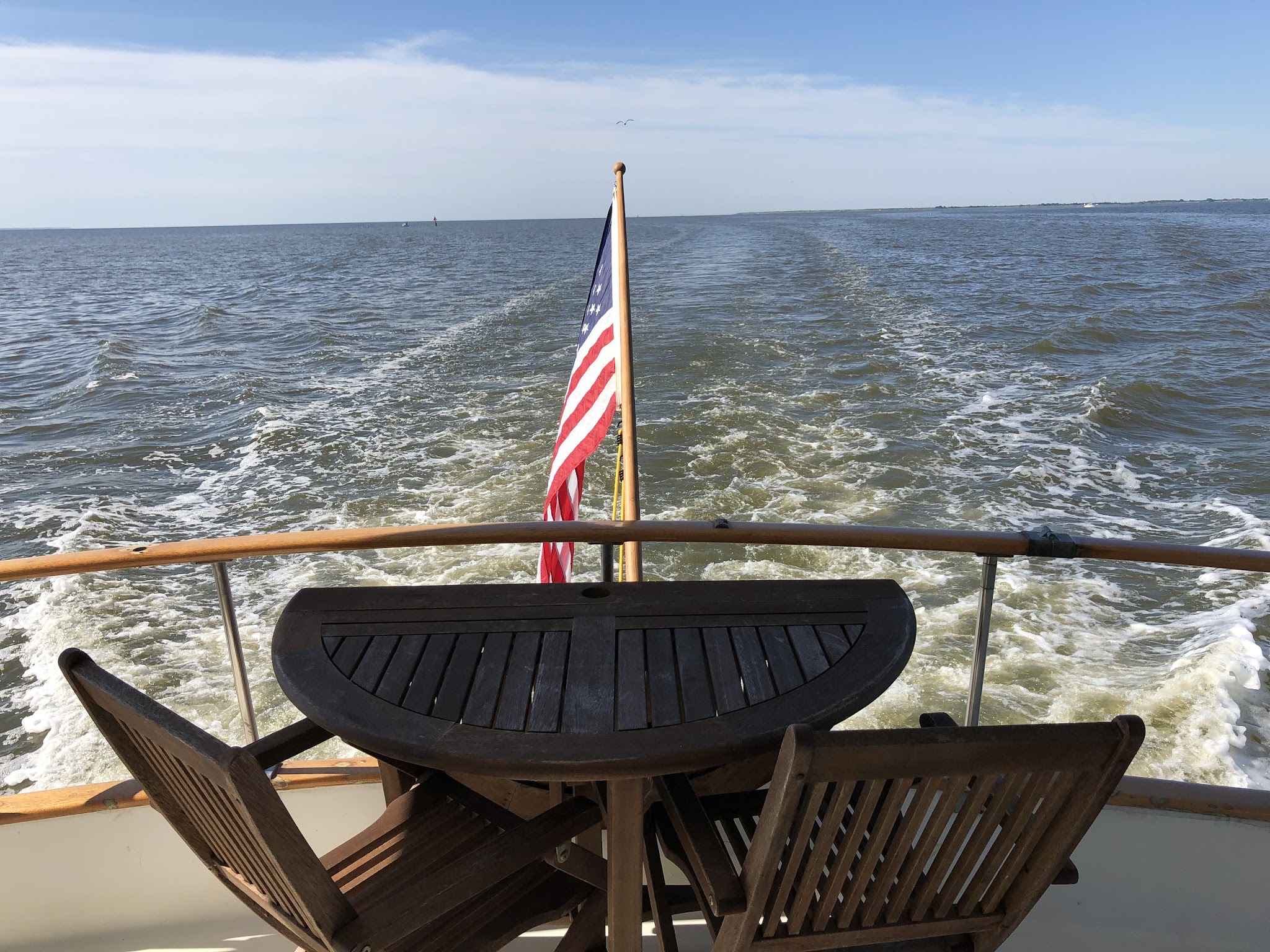
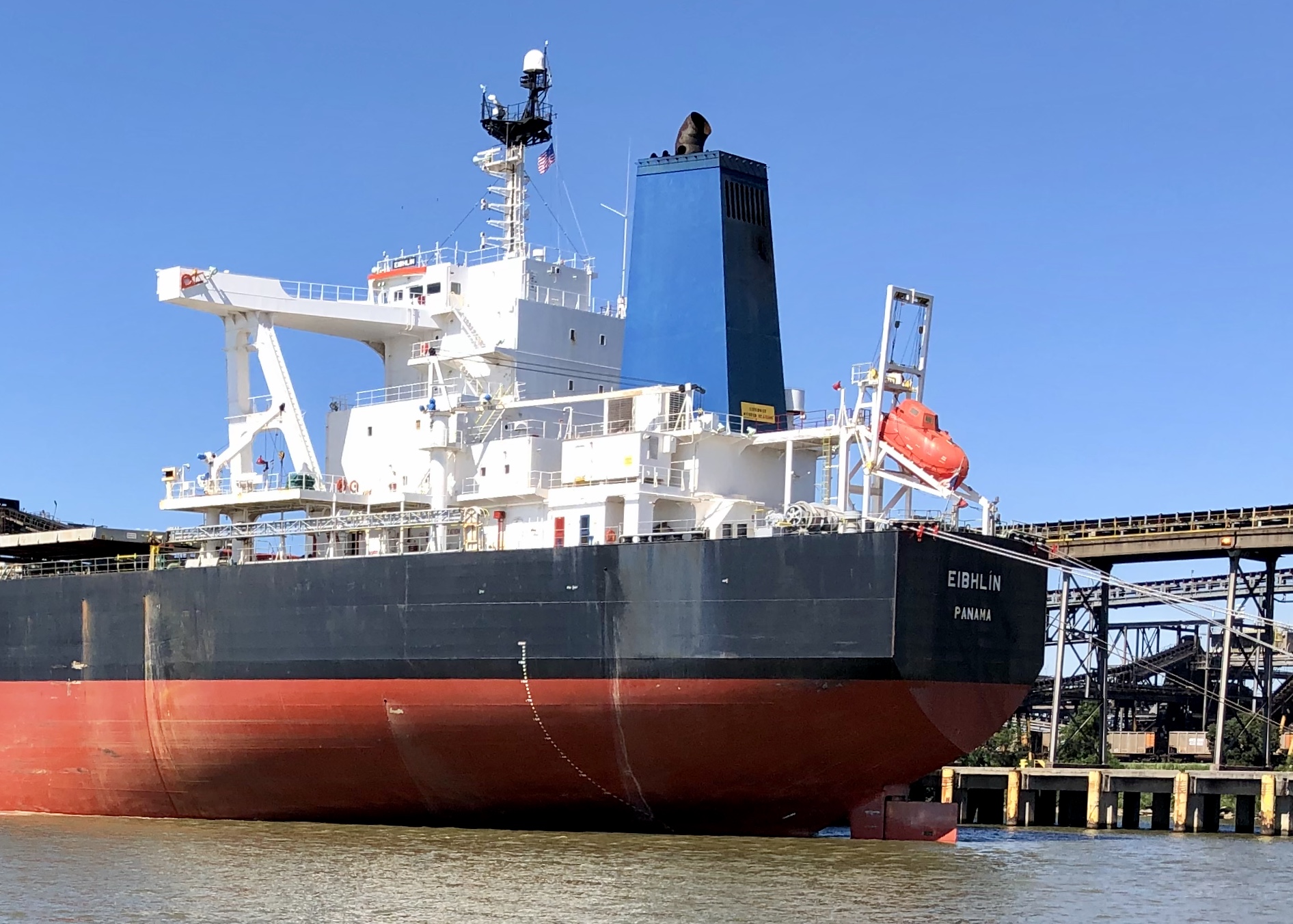
Mobile’s working waterfront is a noticeable contrast to the quieter stretches ahead. Commercial vessels, shipyards, docks, bridges, and industrial facilities eventually gave way to wooded riverbanks and winding channels.
Anchoring in the Tensaw River
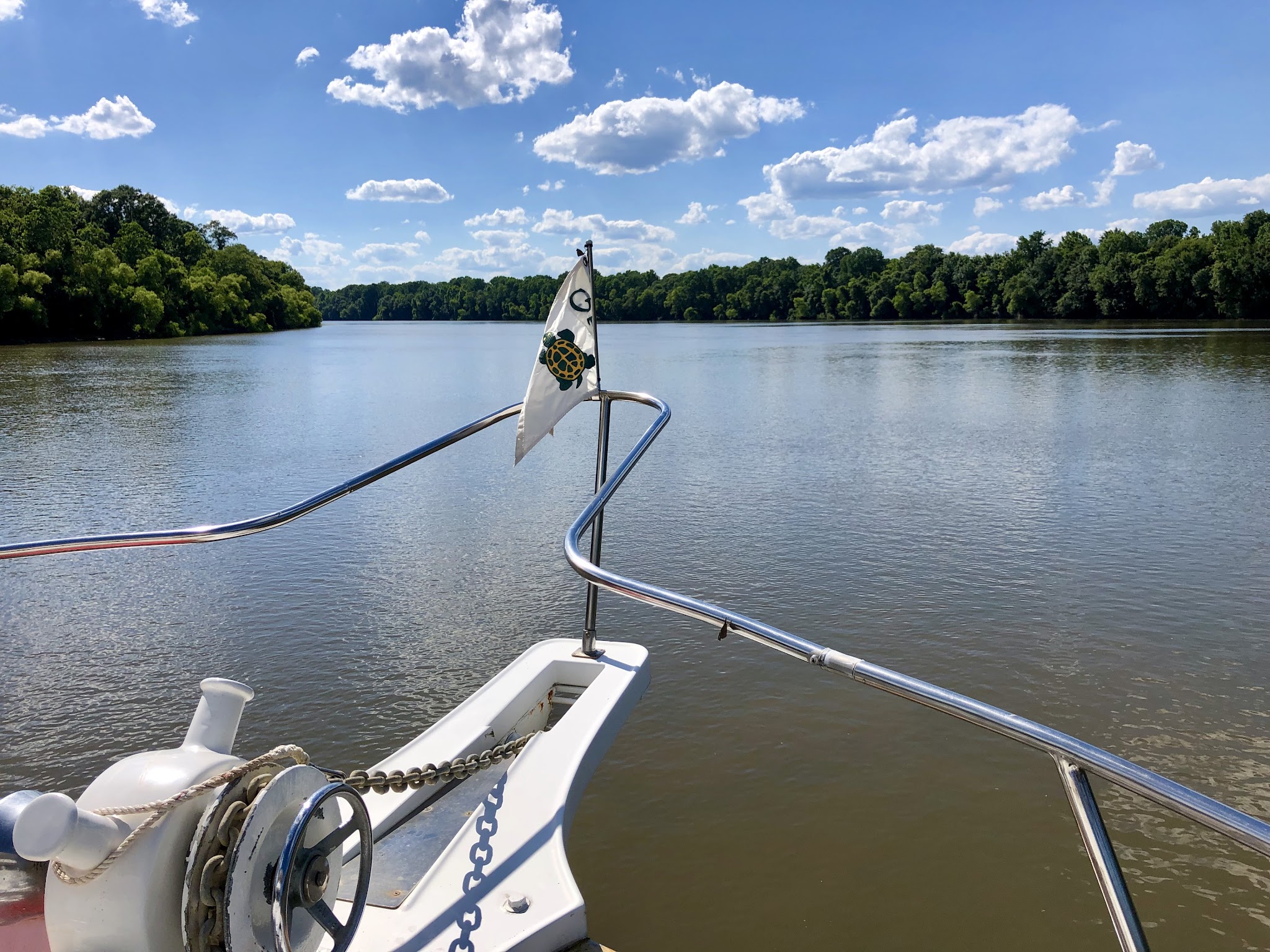
We continued north until midafternoon, then turned into the Tensaw River and traveled about a mile away from the Mobile River. At approximately 3:45 pm, we anchored in about 10 feet of water, which gave us about 4 feet beneath the keel.
I let out approximately 100 feet of anchor chain and attached the snubber so the pull on the chain remained closer to the water. A fairly strong current was flowing from the Mobile River into the Tensaw, keeping Hunky Dory pointed steadily in one direction, although there was plenty of room to swing.
Later that evening, the starboard generator stopped producing electrical power. It had been carrying a substantial load, including two CruiseAir systems, two stove burners, and possibly both engine-room battery chargers. I suspected we might have overloaded it.
I looked for a tripped breaker or fuse but could not find one. When I tried restarting the generator about an hour later, it turned over but did not seem to be getting combustion. Fortunately, we still had the port generator available for the remainder of the trip.
Despite the current—and what was probably a changing tide—Hunky Dory remained in the same position throughout the night. The boat was still pointing in the same direction the next morning, giving us confidence that the anchor had held securely.
Shallow Water at Sunflower Bend
We started the engines, pulled up a surprisingly clean anchor, and left the Tensaw River for the Mobile River northbound at approximately 6:25 am, running the port generator while underway. Hunky Dory traveled at around nine miles per hour for most of the day.
One of the more demanding parts of the trip came at Sunflower Bend near mile marker 78. Dredging was underway because of shallow water in the channel. Commercial traffic could be given access through a wider portion of the work area, but pleasure boats had to pass through a very narrow route marked by yellow caution buoys.
We radioed the dredge before entering but did not receive a response. From what we could see, the crew appeared to be having lunch.
With only about two feet of water beneath Hunky Dory’s keel, we carefully followed the narrow marked path. It was one of those passages where the depth sounder received nearly as much attention as the river ahead.
Once clear of Sunflower Bend, we continued toward Coffeeville Lock.
Coffeeville Lock and Bobby’s Fish Camp
We reached Coffeeville Lock (MM 116.6) at approximately 4:00 pm. A tow was preparing to transit, so we waited for about an hour before entering the chamber. We finally departed the lock at approximately 5:45 pm.
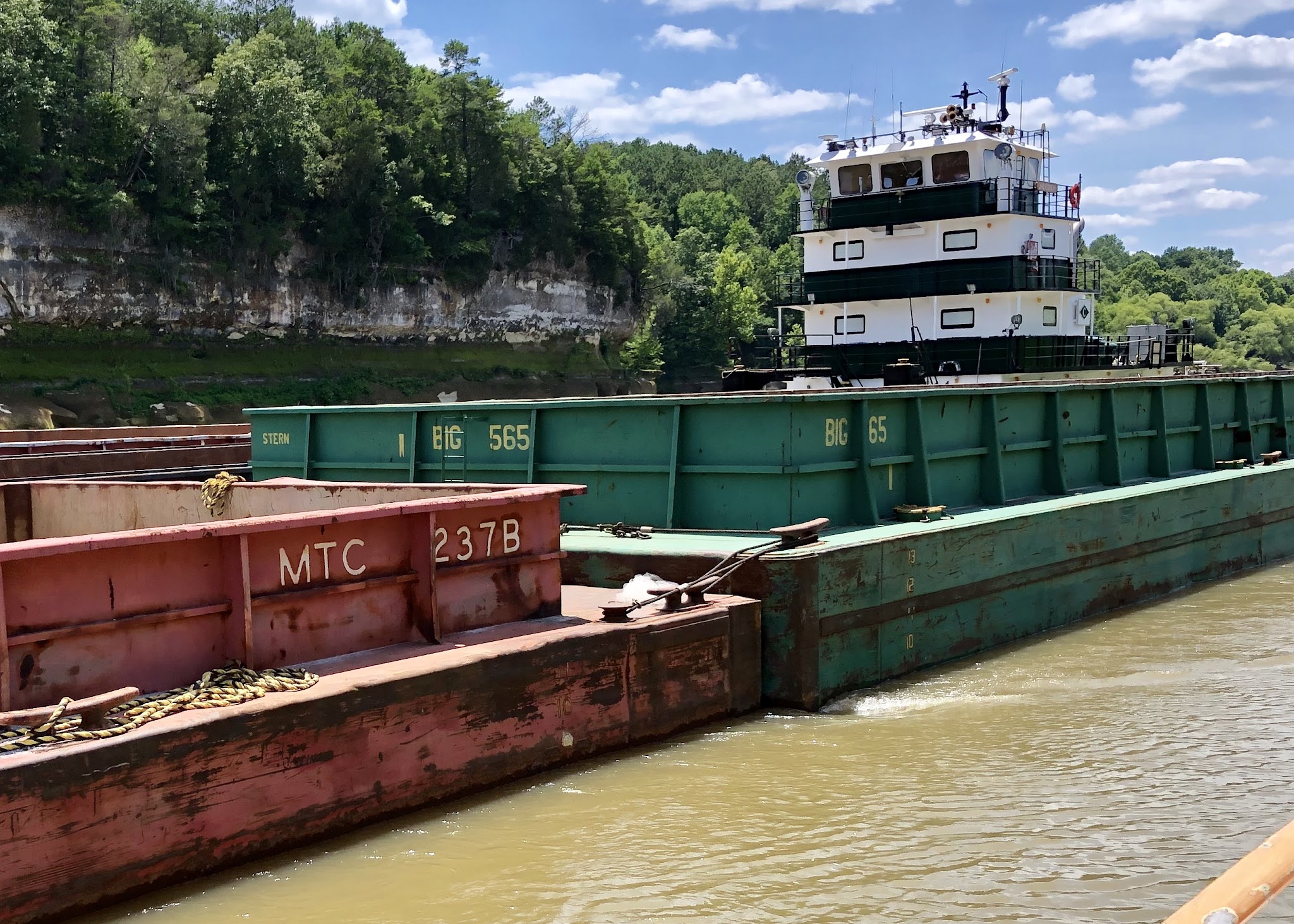
Bobby’s Fish Camp (MM 118.9) on the Tombigbee River in Alabama was only a short distance beyond the lock, and we arrived there at around 6:00 pm.
Bobby’s has long been an important stopping place for boats traveling this part of the river. Its dock space is limited, however, and fitting several large cruising boats along it can require some cooperation.
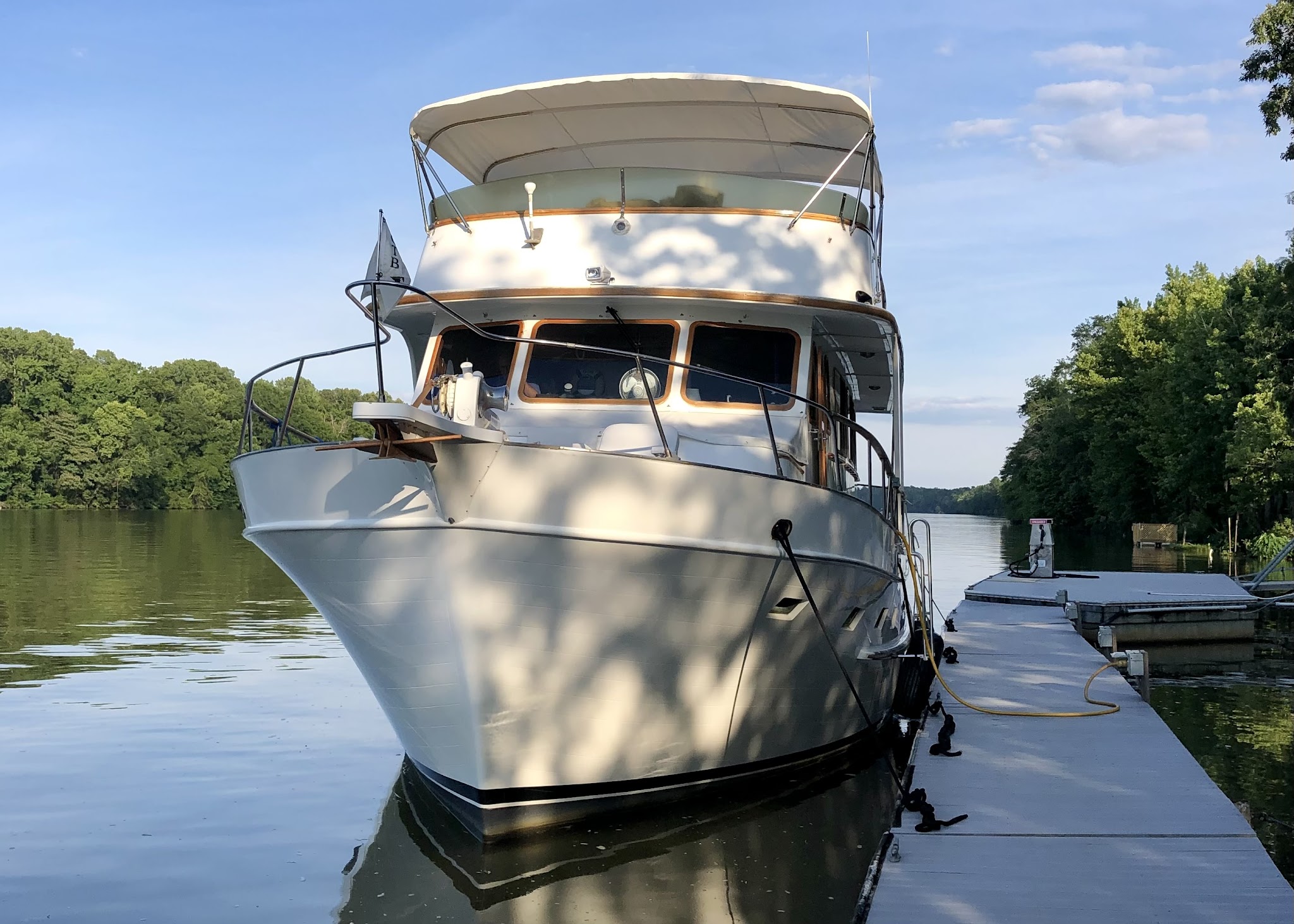
After securing Hunky Dory, Jerry and I went to the restaurant for dinner. While we were eating, we learned that Hunky Dory needed to be moved forward along the dock so a much larger boat could fit behind us. We returned to the boat, moved her ahead, and made room for the new arrival.
The larger boat was a 75-foot vessel named She’s the One. We met Scotty and Gerry, who were delivering it. During dinner, Jerry discovered that he knew Gerry’s family from Tarpon Springs. It was one of those unexpected connections that seem to happen frequently among people moving boats along the inland waterways.
After the long day, the meal at Bobby’s and the conversations with the other crew made for a memorable evening. The unusual docking arrangement—moving Hunky Dory in the middle of dinner so a 75-foot boat could squeeze in behind us—made the stop even more memorable.
The Final Day to Demopolis
Before leaving Bobby’s the next morning, I checked the main-engine oil. Both engines were at approximately the halfway point on their dipsticks, so I added oil to bring them back to full. I also checked the fuel levels.
We started up and departed Bobby’s at around 6:15 am, again running the port generator.
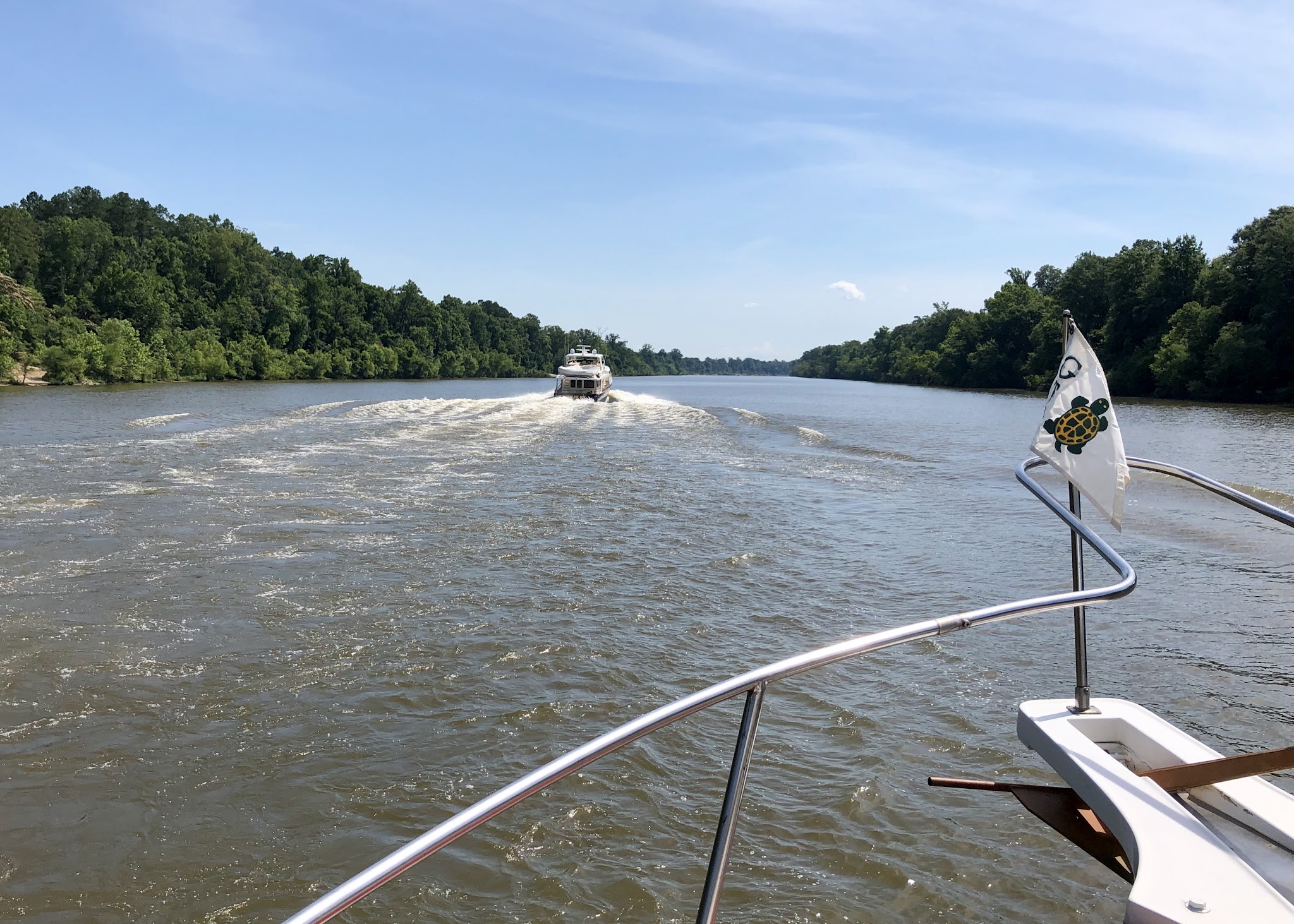
This was another long day underway. We followed the winding river north toward Demopolis, eventually arriving at Demopolis Lock at approximately 4:30 pm. Our timing was much better than it had been at Coffeeville. We waited only about 15 minutes before locking through.
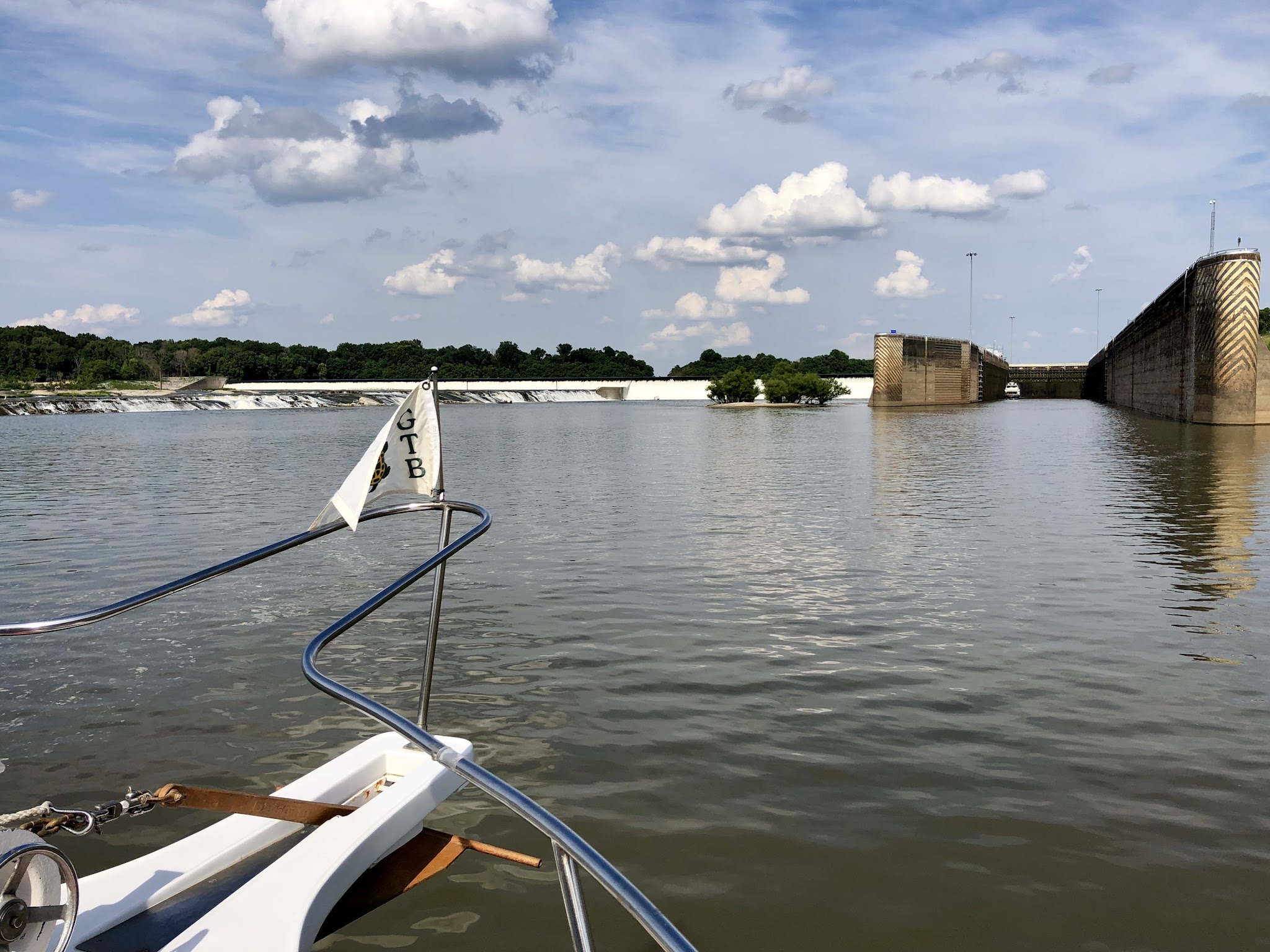
After clearing the lock, we continued to Kingfisher Bay Marina (MM 217) and arrived at approximately 5:20 pm. That completed the Mobile-to-Demopolis trip. In total, we traveled approximately 231 statute miles by water, ran the main engines for about 31 hours, and burned an estimated 250 gallons of diesel fuel since leaving Turner Marine in Mobile.
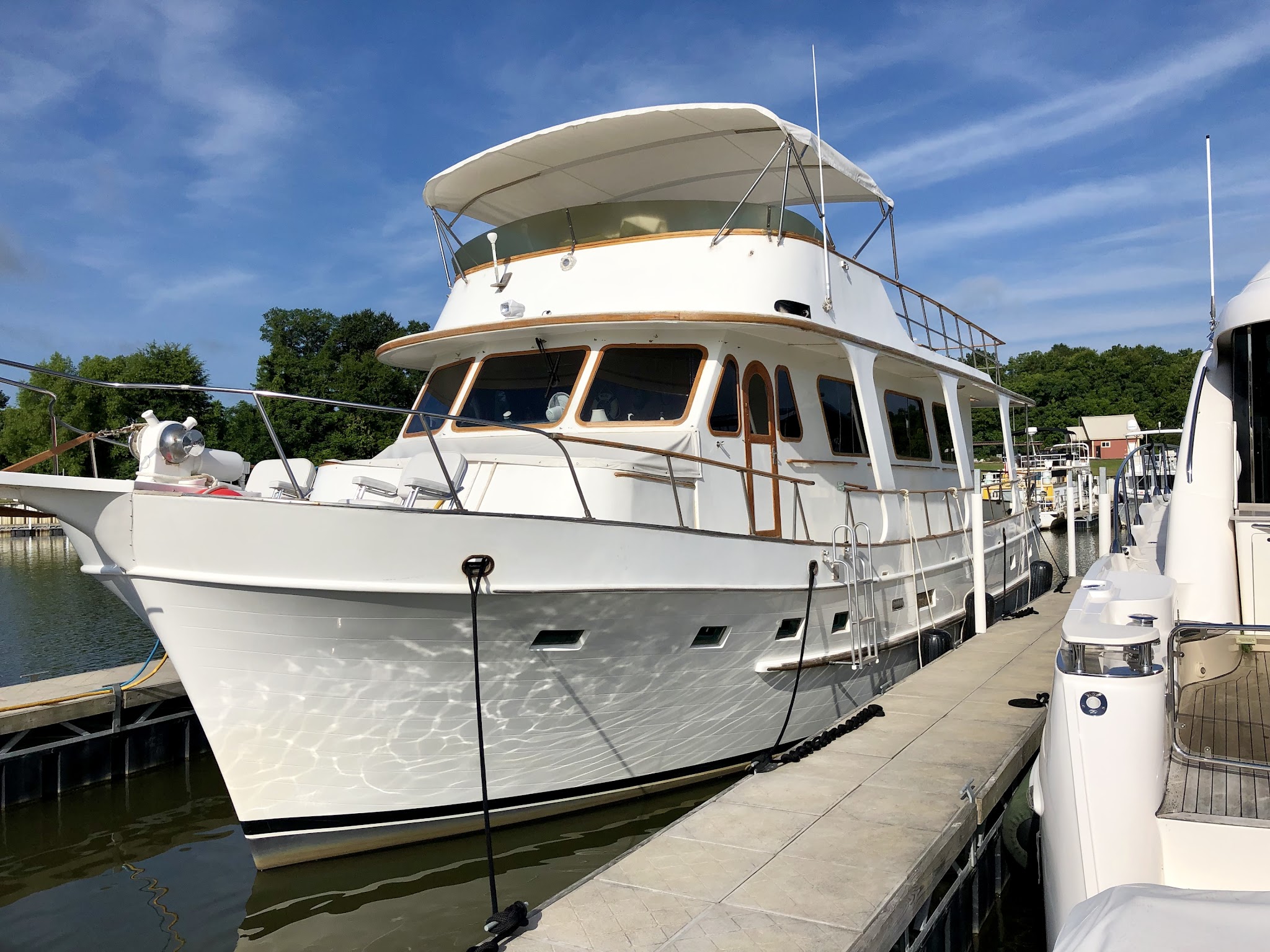
That evening, Jerry and I joined Scotty and Gerry—the crew delivering She’s the One—for dinner at Foscue House Restaurant. The steakhouse was very good and provided a comfortable ending to several long days on the river.
Related content
Learn more
Restoration projects
How-tos
Project updates
- Pre-testing the Solar Panel SystemSee how panel angle, partial shading, electrical loads, and charging state affected a temporary solar-panel test system.
- Clearing the Way for a New Pilothouse CounterRead about removing the chart cabinet and electronics in preparation for the new mahogany-veneer counter.
Life on board
Cruising
- A Cruise Around Middle Bay LighthouseCruise into Mobile Bay for a close look at the historic lighthouse, an unexpected hat-recovery drill, and dolphins on the ride home.
- Watching the Total Solar Eclipse from Hunky DorySpend eclipse day aboard Hunky Dory, from an early electrical repair to totality and an overnight stay in Demumbers Bay.
- A Virtual Cruise During LockdownJoin the 2020 Facebook cruise from Lake Barkley to Kentucky Lake and tour Hunky Dory along the way.